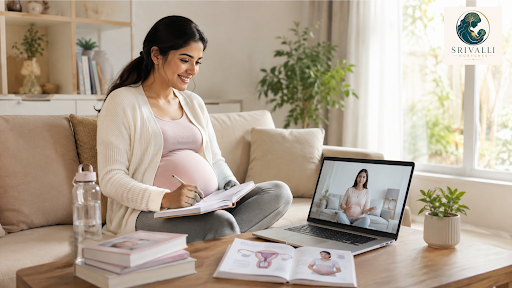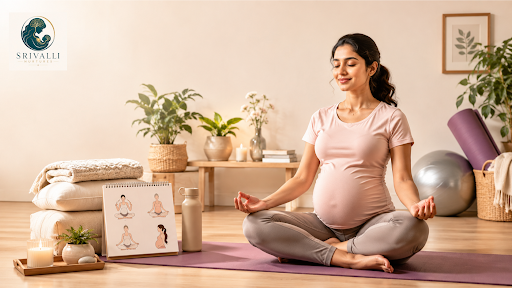
Pregnancy is one of the most beautiful journeys in a woman's life. It is a time filled with excitement, hope, dreams, and the anticipation of meeting your little one. Along with these beautiful emotions, pregnancy also brings many physical and emotional changes. Some days you may feel energetic and joyful, while on other days you may experience discomfort, tiredness, mood swings, or anxiety. These changes are completely normal because your body is working tirelessly to support the growth and development of your baby.
Many expecting mothers worry when they experience back pain, constipation, swelling in the feet, sleep disturbances, or emotional ups and downs. It is common to wonder whether these symptoms are normal or if they indicate something serious. The good news is that most pregnancy-related discomforts can be managed naturally with the right guidance, healthy habits, and a positive mindset.
Rather than focusing only on the day of delivery, pregnancy should be seen as a period of preparation. Every healthy choice you make today contributes to your baby's development and helps prepare your body and mind for childbirth and motherhood. A balanced lifestyle that includes Pregnancy Fitness, mindful nutrition, adequate rest, Pregnancy Meditation, Prenatal Yoga, and Garbh Sanskar can make a significant difference throughout your pregnancy journey.
At Srivalliyogiktag, we believe that pregnancy is not just about growing a baby. It is about nurturing a healthier, stronger, calmer version of yourself. When a mother feels physically comfortable, emotionally balanced, and mentally prepared, she naturally creates a positive environment for her baby's growth.
In this guide, let us explore the most common pregnancy problems and practical ways to manage them naturally.
Understanding Why Pregnancy Brings So Many Changes
Pregnancy affects almost every organ system in your body. Hormonal changes, increased blood circulation, weight gain, and your growing uterus all work together to support your developing baby. While these changes are necessary, they can also lead to temporary discomforts that vary from one woman to another.
Every pregnancy is unique. Some women experience very few symptoms, while others may deal with several challenges at once. Comparing your pregnancy with someone else's often leads to unnecessary stress. Instead, understanding what is happening inside your body helps you respond with confidence rather than fear.
Your body is continuously adapting to support your baby. Muscles stretch, joints become more flexible, blood volume increases, digestion slows down, and your emotional sensitivity becomes stronger because of hormonal fluctuations. These natural adjustments explain why pregnancy often brings symptoms that may feel unfamiliar.
When you combine healthy nutrition with Pregnancy Fitness, regular movement, Pregnancy Meditation, and safe Prenatal Yoga, many of these discomforts become much easier to manage.
Back Pain During Pregnancy
Back pain is one of the most common complaints among pregnant women. As your baby grows, your body weight gradually increases, shifting your center of gravity forward. Your lower back muscles work harder to maintain balance, while pregnancy hormones relax the ligaments supporting your joints. This combination often leads to pain and stiffness in the lower back.
Back pain may become more noticeable during the second and third trimesters, especially after standing for long periods, sitting with poor posture, or lifting heavy objects.
Instead of avoiding movement completely, gentle physical activity usually provides better relief than prolonged rest.
Natural Ways to Manage Pregnancy Back Pain
Maintain good posture while standing, sitting, and sleeping because proper spinal alignment reduces unnecessary pressure on your lower back and hips.
Practice safe Prenatal Yoga under professional guidance to improve flexibility, strengthen supporting muscles, and reduce muscle tension throughout pregnancy.
Include gentle stretching exercises as part of your Pregnancy Fitness routine to improve circulation and reduce stiffness.
Sleep on your left side with a pillow between your knees and another under your abdomen to support your growing belly and reduce pressure on your back.
Avoid lifting heavy objects and ask for help whenever necessary instead of putting extra strain on your spine.
Wear comfortable footwear with good arch support instead of flat slippers or high heels, which may worsen back discomfort.
Persistent or severe back pain should always be discussed with your healthcare provider.
Sciatica Pain During Pregnancy
Many women experience sharp pain that starts in the lower back and travels through the hips into one leg. This condition is commonly known as sciatica. It occurs when the growing uterus places pressure on the sciatic nerve, causing pain, tingling, or numbness.
Sciatica can make walking, climbing stairs, or changing positions uncomfortable. Although it may sound alarming, it is quite common during pregnancy and often improves after delivery.
Natural Ways to Relieve Sciatica
Gentle stretching exercises recommended by your prenatal instructor can reduce pressure on the sciatic nerve and improve mobility.
Regular Pregnancy Fitness activities help strengthen muscles that support your spine and pelvis.
Apply warm compresses to relax tight muscles around the affected area if advised by your healthcare provider.
Avoid sitting continuously for several hours and take short walking breaks to improve blood circulation.
Practice guided Pregnancy Meditation to reduce muscle tension that often becomes worse because of stress and anxiety.
Swollen Feet and Hands
Many pregnant women notice swelling in their feet, ankles, fingers, and sometimes even their face. Mild swelling is usually caused by increased fluid retention and the additional pressure placed on blood vessels by your growing uterus.
Swelling tends to increase during hot weather or after standing for long periods.
Ways to Reduce Swelling Naturally
Drink adequate water throughout the day because dehydration actually encourages your body to retain more fluids.
Elevate your feet whenever possible to improve circulation.
Walk for short periods every day as part of your Pregnancy Fitness routine instead of remaining inactive.
Reduce excessive salt intake while maintaining a balanced diet rich in fruits and vegetables.
Wear comfortable clothing that does not restrict blood circulation.
Sudden swelling accompanied by severe headache, blurred vision, or high blood pressure requires immediate medical attention.
Constipation, Gas, and Digestion Problems
Pregnancy hormones naturally slow down digestion, allowing your body more time to absorb nutrients for your baby. Unfortunately, this slower digestive process also causes constipation, bloating, and gas for many women.
Iron supplements prescribed during pregnancy may further contribute to constipation.
Although digestive discomfort is common, simple lifestyle changes can make a significant difference.
Natural Ways to Improve Digestion
Eat smaller meals more frequently rather than consuming large meals at once.
Include plenty of fiber-rich foods such as fruits, vegetables, whole grains, and legumes in your daily diet.
Drink enough water throughout the day to soften stools and support healthy digestion.
Walk for 20 to 30 minutes after meals whenever possible to stimulate digestion naturally.
Gentle Prenatal Yoga movements can support digestive health by encouraging better circulation and reducing abdominal discomfort.
Healthy digestion not only improves your comfort but also supports better nutrient absorption for your baby's growth.
Fatigue During Pregnancy
Feeling tired is one of the earliest signs of pregnancy and may continue throughout all three trimesters. Your body is producing more blood, supporting your baby's development, and adapting to significant hormonal changes. All these processes require tremendous energy.
Many women also experience low hemoglobin levels during pregnancy, which can contribute to ongoing fatigue despite eating well and getting enough sleep.
Instead of pushing yourself beyond your limits, it is important to listen to your body's signals.
Natural Ways to Reduce Pregnancy Fatigue
Prioritize quality sleep by maintaining a consistent bedtime routine.
Eat balanced meals that include protein, iron-rich foods, healthy fats, and complex carbohydrates.
Continue light Pregnancy Fitness activities because regular movement often improves energy levels instead of reducing them.
Practice Pregnancy Meditation for a few minutes every day to calm your mind and reduce mental exhaustion.
Discuss persistent fatigue with your doctor, especially if anemia is suspected.
Feeling energetic during pregnancy is not about doing more. It is about supporting your body with the nutrition, movement, and rest it truly needs.
Why Emotional Health Matters Just as Much as Physical Health
Many expecting mothers focus only on physical symptoms, but emotional well-being is equally important during pregnancy. Hormonal changes, uncertainty about childbirth, changes in daily routine, work responsibilities, and family expectations can all influence how you feel emotionally.
Some days you may feel excited, while on other days you may become emotional without knowing why. These emotional changes are completely normal, but they should never be ignored. Your mental well-being affects your overall pregnancy experience and influences how connected you feel with your growing baby.
This is where practices such as Pregnancy Meditation and Garbh Sanskar become especially meaningful. They encourage relaxation, mindfulness, positive thinking, and emotional bonding with your baby, helping you replace fear with confidence and stress with calmness.
At Srivalliyogiktag, we encourage every expecting mother to remember that taking care of your emotional health is not a luxury, it is an essential part of a healthy pregnancy.
Low Hemoglobin (Anemia) During Pregnancy
Low hemoglobin, also known as anemia, is a common concern during pregnancy. Your body needs more iron to produce additional blood that supplies oxygen to both you and your growing baby. When your iron levels are low, you may feel exhausted, weak, dizzy, or short of breath even after getting enough rest. Some women also experience headaches, pale skin, and difficulty concentrating.
Ignoring anemia during pregnancy can increase the risk of complications such as preterm birth or low birth weight. Fortunately, with proper nutrition and timely medical care, anemia can often be managed effectively.
Natural Ways to Improve Hemoglobin Levels
Include iron-rich foods such as spinach, beetroot, dates, raisins, jaggery, pomegranate, lentils, chickpeas, and green leafy vegetables in your daily meals because these foods naturally support healthy blood production.
Pair iron-rich foods with vitamin C sources like oranges, guava, lemon, amla, or tomatoes since vitamin C improves iron absorption and helps your body use the nutrients more effectively.
Take iron supplements exactly as prescribed by your doctor because stopping them without medical advice can affect both your health and your baby's development.
Continue gentle Pregnancy Fitness activities if your healthcare provider recommends them, as light movement improves circulation and helps you feel more energetic over time.
Allow yourself enough time to rest during the day. Pregnancy is not a time to constantly push through exhaustion. Your body is doing an extraordinary amount of work behind the scenes.
Gestational Diabetes: Managing Blood Sugar During Pregnancy
Being diagnosed with gestational diabetes can feel overwhelming. Many mothers worry that they have done something wrong or that their baby will be affected. The truth is that gestational diabetes develops because pregnancy hormones can interfere with the way insulin works. It is not a sign of failure, and with proper management, many women go on to have healthy pregnancies and healthy babies.
Managing gestational diabetes does not mean you have to stop enjoying food. It means learning how to nourish your body in a balanced way while keeping your blood sugar levels stable.
Healthy Habits That Help Manage Gestational Diabetes
Eat smaller, balanced meals throughout the day instead of consuming large portions because this helps prevent sudden spikes in blood sugar.
Choose whole grains, vegetables, lean proteins, healthy fats, and fiber-rich foods that provide steady energy and keep you feeling satisfied for longer.
Avoid excessive sugary drinks, sweets, and highly processed foods, replacing them with healthier alternatives whenever possible.
Engage in regular Pregnancy Fitness routines approved by your healthcare provider, as physical activity helps your body use insulin more efficiently.
Monitor your blood sugar levels as recommended and attend all prenatal appointments to ensure both you and your baby remain healthy.
Managing gestational diabetes is about making informed choices rather than restricting yourself. Every healthy meal and every gentle walk is a positive step toward your baby's well-being.
Mood Swings, Anxiety, and Emotional Ups and Downs
Pregnancy is not only a physical journey but also an emotional one. Hormonal changes, concerns about childbirth, work responsibilities, financial planning, and preparing for motherhood can all create emotional stress. Many women experience sudden mood changes, irritability, frequent crying, or feelings of guilt for reacting emotionally.
These feelings are common, but they should not be ignored. Taking care of your emotional health is just as important as caring for your physical health.
One of the most effective ways to support emotional well-being is through Pregnancy Meditation. Even spending ten to fifteen minutes each day focusing on your breathing can calm your nervous system and reduce anxiety.
Ways to Improve Emotional Well-being
Begin your day with Pregnancy Meditation to reduce stress and create a peaceful mindset before starting daily activities.
Talk openly with your partner, family members, or healthcare provider about your feelings instead of keeping everything inside.
Spend time doing activities that make you feel relaxed, whether it is reading, listening to music, gardening, or taking a gentle walk.
Practice gratitude by writing down three positive moments each day. This simple habit helps shift your focus from fear to appreciation.
Remember that asking for help is a sign of strength, not weakness. Pregnancy is a journey that should be supported by those around you.
Sleep Problems During Pregnancy
Many expecting mothers find it difficult to sleep well, especially during the second and third trimesters. As your baby grows, finding a comfortable sleeping position becomes more challenging. Frequent urination, leg cramps, anxiety about childbirth, and back pain may also interrupt your sleep.
Poor sleep can affect your mood, energy levels, and overall pregnancy experience, making it important to develop healthy sleep habits.
Ways to Sleep Better During Pregnancy
Sleep on your left side whenever possible to improve blood flow to your baby and reduce pressure on major blood vessels.
Use pregnancy pillows or place cushions between your knees and under your belly to improve comfort and support.
Avoid heavy meals and caffeinated drinks close to bedtime.
Practice Pregnancy Meditation before sleeping to relax your body and quiet your mind.
Maintain a regular bedtime routine by sleeping and waking up at similar times each day.
Quality sleep supports your immune system, emotional health, and physical recovery throughout pregnancy.
Building a Strong Bond with Your Baby During Pregnancy
One of the biggest concerns many mothers have is whether they are doing enough to connect with their baby before birth. The beautiful truth is that bonding begins long before delivery. Every positive thought, every loving touch, every conversation, and every mindful moment contributes to the emotional connection between mother and baby.
Bonding does not require expensive products or complicated routines. It begins with being present and appreciating the life growing within you.
Simple Ways to Connect with Your Baby
Talk to your baby every day, sharing your thoughts, hopes, and love. Your voice becomes familiar to your baby even before birth.
Listen to soothing music together and create peaceful moments during your day.
Place your hands gently on your belly while practicing Pregnancy Meditation, allowing yourself to focus entirely on your baby's movements and presence.
Encourage your partner to participate in conversations with the baby, strengthening the family bond from the very beginning.
These simple practices create memories that often become the foundation of a nurturing relationship after birth.
Understanding the Importance of Garbh Sanskar
Garbh Sanskar is an ancient Indian practice that emphasizes nurturing both the mother's mind and the baby's development during pregnancy. While it is deeply rooted in tradition, many of its principles align beautifully with modern understanding of emotional well-being and mindful pregnancy.
The philosophy behind Garbh Sanskar is simple. A calm, happy, and emotionally balanced mother creates a nurturing environment for her growing baby. Rather than focusing only on physical health, it encourages mothers to develop positive thoughts, healthy habits, meaningful conversations, spiritual practices, and emotional stability.
What Garbh Sanskar May Include
Reading inspiring books and positive stories that encourage optimism and inner peace.
Listening to soothing music, devotional songs, or calming sounds that help reduce stress.
Practicing gratitude and positive affirmations every day to cultivate emotional resilience.
Spending quiet time in reflection through Pregnancy Meditation, allowing yourself to connect deeply with your baby.
Participating in gentle Prenatal Yoga sessions that support both physical flexibility and emotional balance.
When practiced consistently, Garbh Sanskar becomes more than a tradition. It becomes a daily habit of mindful motherhood.
The Benefits of Prenatal Yoga Throughout Pregnancy
Many women worry that exercising during pregnancy might be unsafe. In reality, when guided by a qualified professional and approved by your healthcare provider, Prenatal Yoga offers numerous physical and emotional benefits.
Unlike intense workouts, Prenatal Yoga focuses on gentle movement, breathing techniques, flexibility, posture, and relaxation. These elements prepare your body for childbirth while helping reduce common pregnancy discomforts.
Benefits of Prenatal Yoga
Improves posture, reducing pressure on the lower back and helping manage pregnancy-related back pain.
Strengthens muscles that support your growing baby, making daily movements more comfortable.
Encourages healthy blood circulation, reducing swelling and muscle stiffness.
Teaches breathing techniques that may help you remain calm and focused during labor.
Promotes emotional balance by combining movement with mindfulness.
For many mothers, Prenatal Yoga becomes a valuable tool for feeling physically stronger and emotionally more confident throughout pregnancy.
Why Pregnancy Fitness Matters
Remaining active during pregnancy does not mean participating in strenuous workouts. Instead, Pregnancy Fitness focuses on safe, gentle activities that support your changing body and prepare you for childbirth.
Regular movement can improve circulation, reduce muscle stiffness, boost energy levels, support healthy weight management, and improve overall well-being.
Safe Pregnancy Fitness Habits
Choose low-impact activities such as walking, stretching, swimming, or professionally guided prenatal exercises.
Exercise consistently rather than intensely, allowing your body to adapt comfortably.
Stay hydrated before, during, and after physical activity.
Stop immediately if you experience dizziness, severe pain, or unusual symptoms, and consult your healthcare provider.
A balanced Pregnancy Fitness routine helps prepare your body not only for labor but also for postpartum recovery.
Creating a Healthy Daily Pregnancy Routine
Healthy pregnancies are built through small daily habits rather than occasional big efforts. A consistent routine helps you feel more energetic, emotionally balanced, and physically prepared for the changes of pregnancy.
A healthy pregnancy routine may include:
Starting your morning with gentle stretching followed by Pregnancy Meditation to begin the day with a calm and positive mindset.
Eating nutritious meals rich in fruits, vegetables, whole grains, proteins, and healthy fats to support both you and your baby.
Following a safe Pregnancy Fitness routine approved by your healthcare provider.
Practicing Garbh Sanskar through positive affirmations, mindful conversations with your baby, reading uplifting content, or listening to calming music.
Ending your day with gentle breathing exercises, gratitude, and adequate sleep.
Consistency matters more than perfection. Every positive habit you build during pregnancy contributes to your long-term well-being as a mother.
When Should You Contact Your Doctor?
While many pregnancy discomforts are normal, certain symptoms should never be ignored. Contact your healthcare provider immediately if you experience severe abdominal pain, heavy bleeding, reduced fetal movements, persistent severe headaches, sudden swelling of the face or hands, high fever, blurred vision, leaking fluid, or regular contractions before your expected due date.
Listening to your body and seeking timely medical care ensures the safest possible outcome for both you and your baby.
Conclusion
Pregnancy is not about having a perfect journey. It is about learning, growing, adapting, and caring for yourself while preparing to welcome your baby into the world. Every challenge you face, whether it is back pain, fatigue, emotional changes, digestive discomfort, or fear of labor, can become an opportunity to better understand your body and strengthen your confidence.
By embracing healthy habits such as Pregnancy Fitness, Pregnancy Meditation, Prenatal Yoga, and Garbh Sanskar, you create a strong foundation for a healthier pregnancy and a more positive transition into motherhood. These practices do not promise a problem-free pregnancy, but they can help you feel physically stronger, emotionally calmer, and mentally prepared for the incredible journey ahead.
At Srivalliyogiktag, we believe that every expecting mother deserves guidance that empowers rather than overwhelms. Pregnancy is more than nine months of waiting, it is the beginning of a lifelong relationship with your child and an opportunity to become the strongest version of yourself. With the right support, informed choices, and consistent self-care, you can experience pregnancy with confidence, gratitude, and joy.
Call to Action
Still Have Questions About Your Pregnancy? Let's Talk.
Every pregnancy is unique, and every mother deserves guidance that is personal, practical, and reassuring. If you're feeling confused about pregnancy symptoms, worried about labor, unsure where to begin with Prenatal Yoga, Pregnancy Fitness, Pregnancy Meditation, or Garbh Sanskar, you don't have to figure it out alone.
Whether you're experiencing back pain, emotional ups and downs, gestational diabetes, sleep problems, or simply want expert guidance for a healthier and more confident pregnancy, we're here to support you every step of the way.
Book your personalized 45-minute Pregnancy Consultation with Srivalli Yogiktag and get answers to your questions from an experienced pregnancy wellness coach.
👉 Schedule Your Consultation Here:
https://calendly.com/srivalli-yogiktag/45min
Your journey to a calmer pregnancy, confident birth, and joyful motherhood can begin with just one conversation.
Frequently Asked Questions
1. Is Prenatal Yoga safe throughout pregnancy?
Yes, Prenatal Yoga is generally safe when practiced under the guidance of a qualified instructor and with your doctor's approval. It focuses on gentle movements, breathing, and relaxation techniques designed specifically for pregnant women. Always avoid exercises that are not recommended for your stage of pregnancy.
2. How does Pregnancy Meditation help expecting mothers?
Pregnancy Meditation helps reduce stress, calm the mind, and improve emotional well-being during pregnancy. It also encourages mindfulness and strengthens the emotional bond between you and your baby. Even a few minutes of daily practice can make a meaningful difference.
3. What is Garbh Sanskar and why is it important?
Garbh Sanskar is a mindful pregnancy practice that encourages positive thinking, emotional balance, healthy habits, and meaningful bonding with your baby. It supports a peaceful pregnancy journey while helping mothers develop confidence and emotional resilience.
4. Can Pregnancy Fitness reduce common pregnancy discomforts?
A safe Pregnancy Fitness routine can improve circulation, strengthen muscles, reduce back pain, increase energy levels, and support healthy weight management. Always choose exercises that are appropriate for your trimester and recommended by your healthcare provider.
5. How can I naturally reduce back pain during pregnancy?
Maintaining good posture, staying physically active, practicing Prenatal Yoga, sleeping with proper support, and avoiding prolonged standing can help reduce pregnancy-related back pain. If your pain becomes severe or persistent, consult your doctor promptly.
6. How can I manage stress and anxiety during pregnancy?
Building a healthy daily routine that includes Pregnancy Meditation, gentle exercise, adequate sleep, nutritious meals, and open communication with loved ones can help reduce stress. Seeking professional support when needed is also an important part of emotional well-being.
7. When should I start practicing Garbh Sanskar?
Many mothers choose to begin Garbh Sanskar as soon as they learn about their pregnancy. Starting early allows you to gradually build positive habits that support emotional well-being, baby bonding, and a calm pregnancy experience.
8. Why is pregnancy preparation important even before labor begins?
Preparing during pregnancy helps strengthen your body, improve emotional resilience, and build confidence before childbirth. Healthy habits developed during pregnancy can also make postpartum recovery and the transition into motherhood smoother and more manageable.